
The Consequences of Delayed Advice
Les liaisons dangereusesThis thread follows repeated warnings and advice that are recognized as sound only after the characters’ choices have become irreversible.
increasing Bearing strength in each event
 decreasing
Bearing strength in each eventdecreasingThe Editor’s Warning
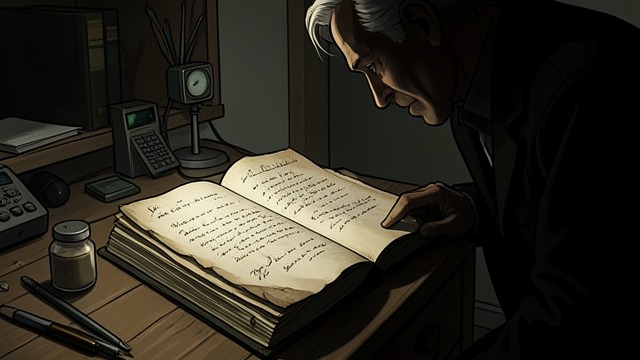
A Lesson Announced in Advance
The Preface
The editor frames the letters as a warning about corrupting influences while also questioning their authenticity. The book begins by announcing the gap between moral knowledge and actual conduct.
Delayed Use
The warning anticipates the final observation that people often recognize danger only after suffering it. The narrative tests whether readers can learn earlier than its characters.
Madame de Volanges Warns Tourvel

Accurate Advice Resisted
A Clear Account
Madame de Volanges describes Valmont as calculating and dangerous, urging Tourvel to leave his company. Her advice is direct and grounded in social knowledge.
Tourvel’s Confidence
Tourvel trusts her own observations and Valmont’s apparent sincerity. The warning is understood intellectually but not accepted emotionally.
Merteuil’s Advice to Cécile
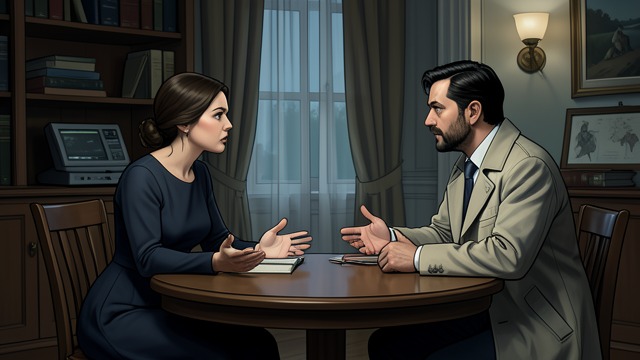
Persuasive Counsel with a Hidden Aim
Marriage Arguments
Merteuil counsels Madame de Volanges against allowing Cécile to marry Danceny, emphasizing wealth, experience, and prudence. Her reasoning sounds careful and mature.
Motive Concealed
The advice serves Merteuil’s revenge and control, not Cécile’s welfare. The episode shows that polished reasoning can be more dangerous than obvious malice.
Rosemonde’s Late Counsel

Wisdom After Surrender
A Warning About Valmont
Rosemonde cautions Tourvel that Valmont has harmed women before and urges her to consider the danger of attachment. Her advice comes after Tourvel has already yielded.
Limited Remedy
Tourvel rejects the warning because she believes Valmont’s tenderness proves exceptional love. Knowledge arrives too late to undo the emotional commitment.
The Last Reflection
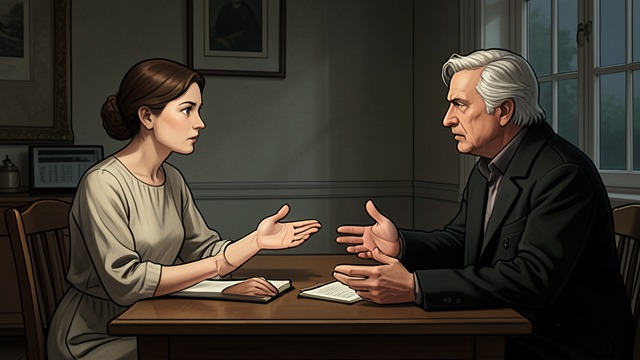
Lessons After Loss
Madame de Volanges Reflects
After Cécile enters the convent and Merteuil flees, Madame de Volanges asks why danger was not recognized sooner. She sees how one destructive association has caused multiple losses.
Reason’s Limits
Her conclusion acknowledges that reason often fails to prevent misfortune and cannot fully console survivors. The novel ends with knowledge gained at the cost of lives and futures.
Opening pages
Mid-August
October
October 30
January
